
Drive belts: the silent power behind the machine
Imagine this: a machine running smoothly, without much noise and without oil splashing everywhere. Chances are a drive belt is at work. But what exactly is such a belt, why do we choose them, and what should you look out for if you need one yourself? In this blog, we explain it simply.
What is a drive belt and what is it used for?
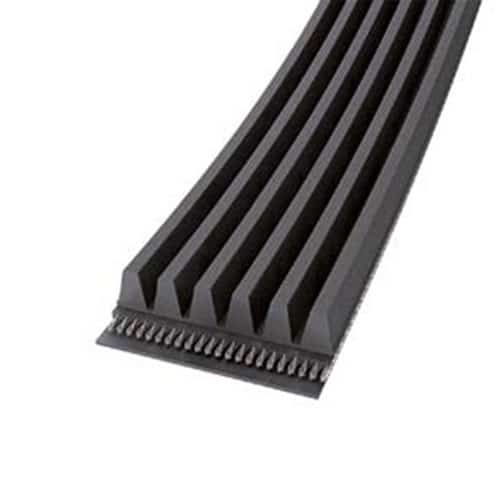
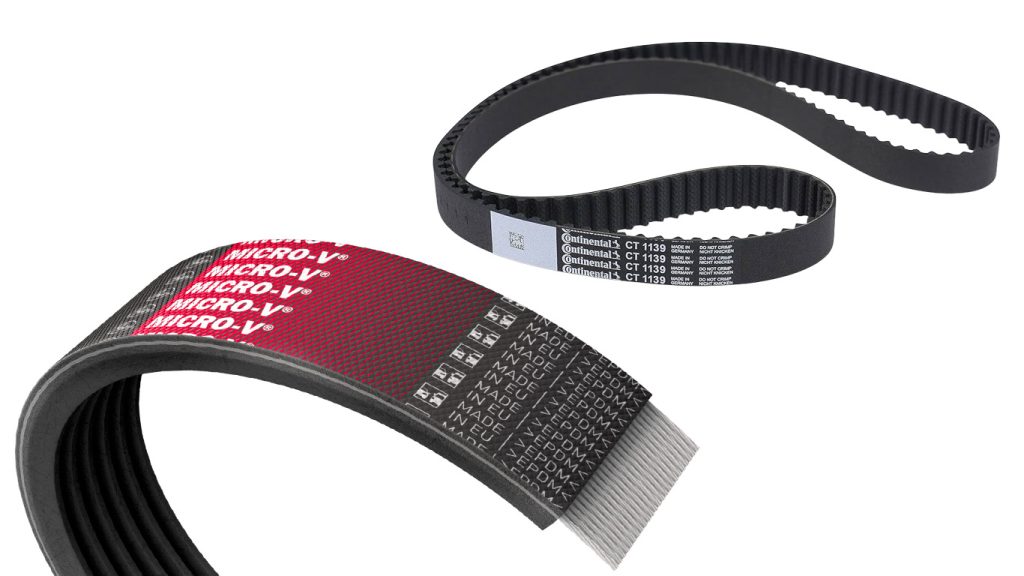
A drive belt is a flexible band that transmits force and motion from one rotating shaft (for example, of a motor) to another. You see them absolutely everywhere: from the washing machine and the fan at home to large conveyor belts, compressors, and industrial robots in factories.
There are various types, the most important of which are:
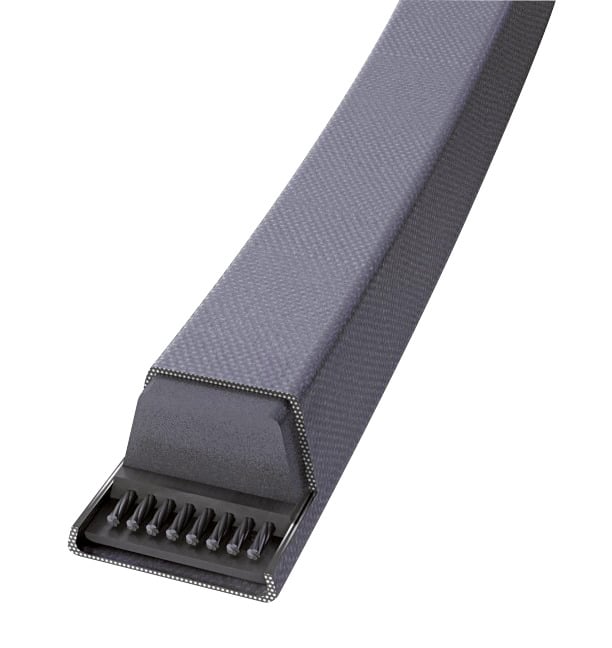
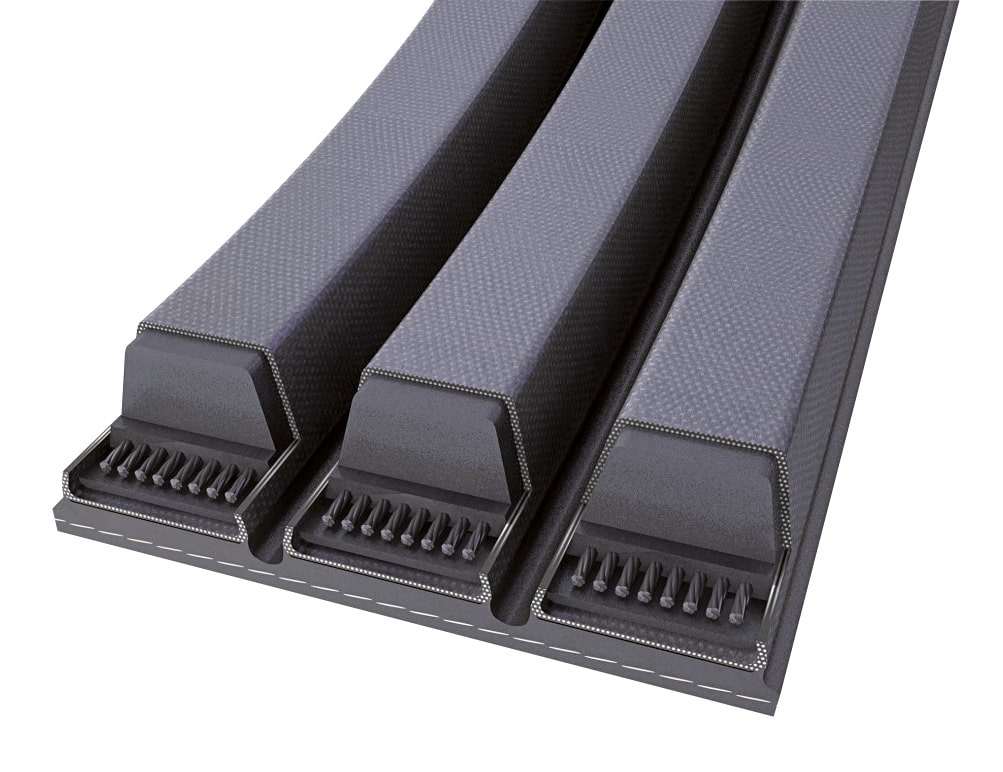
- V-belts: These have a V-shape and work through friction. They are ideal for simple tasks such as driving pumps and fans.
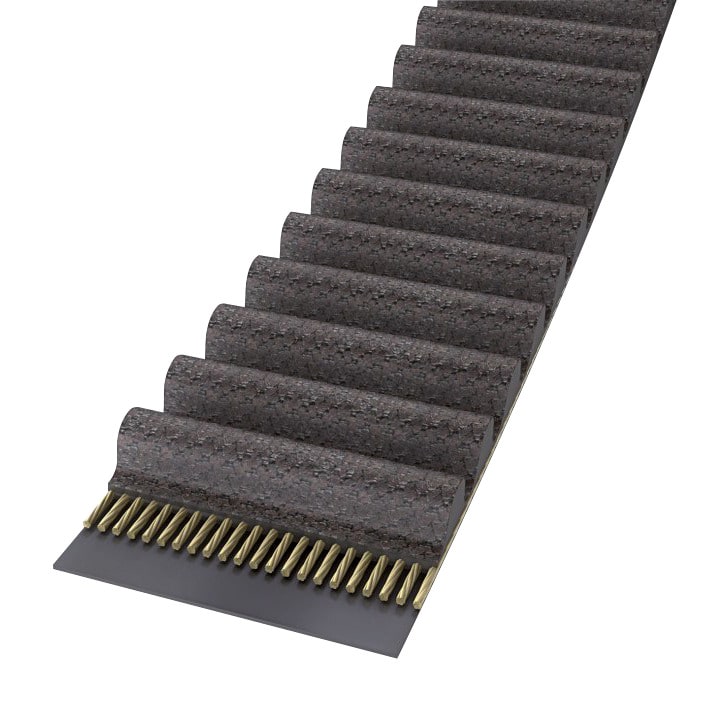
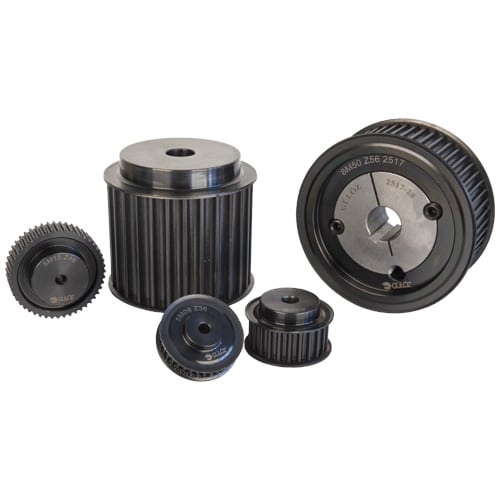
- Timing belts: These have 'teeth' that engage precisely with a toothed pulley. Because they cannot slip, they are used for tasks where precision is important, such as in your car engine or in robotic arms.
What are the biggest advantages of drive belts?
- Quiet and smooth: Belts make significantly less noise and vibrate less than chains.
- Clean: They do not require lubrication (oil or grease). This is a huge advantage in the food industry, for example.
- Shock-resistant: Belts can absorb sudden impacts or vibrations, protecting the motor and bearings.
- Efficient and inexpensive: They are relatively affordable to purchase and have a high efficiency, often between the 95% and 98%.
What are the best brands of drive belts on the market?
If you are looking for quality and sustainability, there are a few names that stand out:
- Gates: Known worldwide for their innovative and strong belts such as the Poly Chain.
- Continental (Conti): Offers a wide range of high-quality rubber and carbon belts.
- Optimized: A reliable manufacturer with many specialized solutions.
- SKF: Next to bearings also a very strong player in drive belts.
What should you look out for when buying?
Buying the right belt seems simple, but a wrong choice can lead to rapid wear or even machine malfunctions. Pay attention to the following:
- The size and profile: Accurately measure the width, height, and length. Also pay attention to the shape (is it a classic V-belt or a narrow profile?).
- The power: How much force (kW) must the belt transmit?.
- The environment: Is the belt exposed to extreme heat, cold, oil, or chemicals? For heavy loads, carbon (carbon fiber) belts are often a smart choice because they hardly stretch.
- Service factor: How often does the machine start and stop? If there are frequent shocks, you need a heavier type of belt.
Handy things to know (Pro tips!)
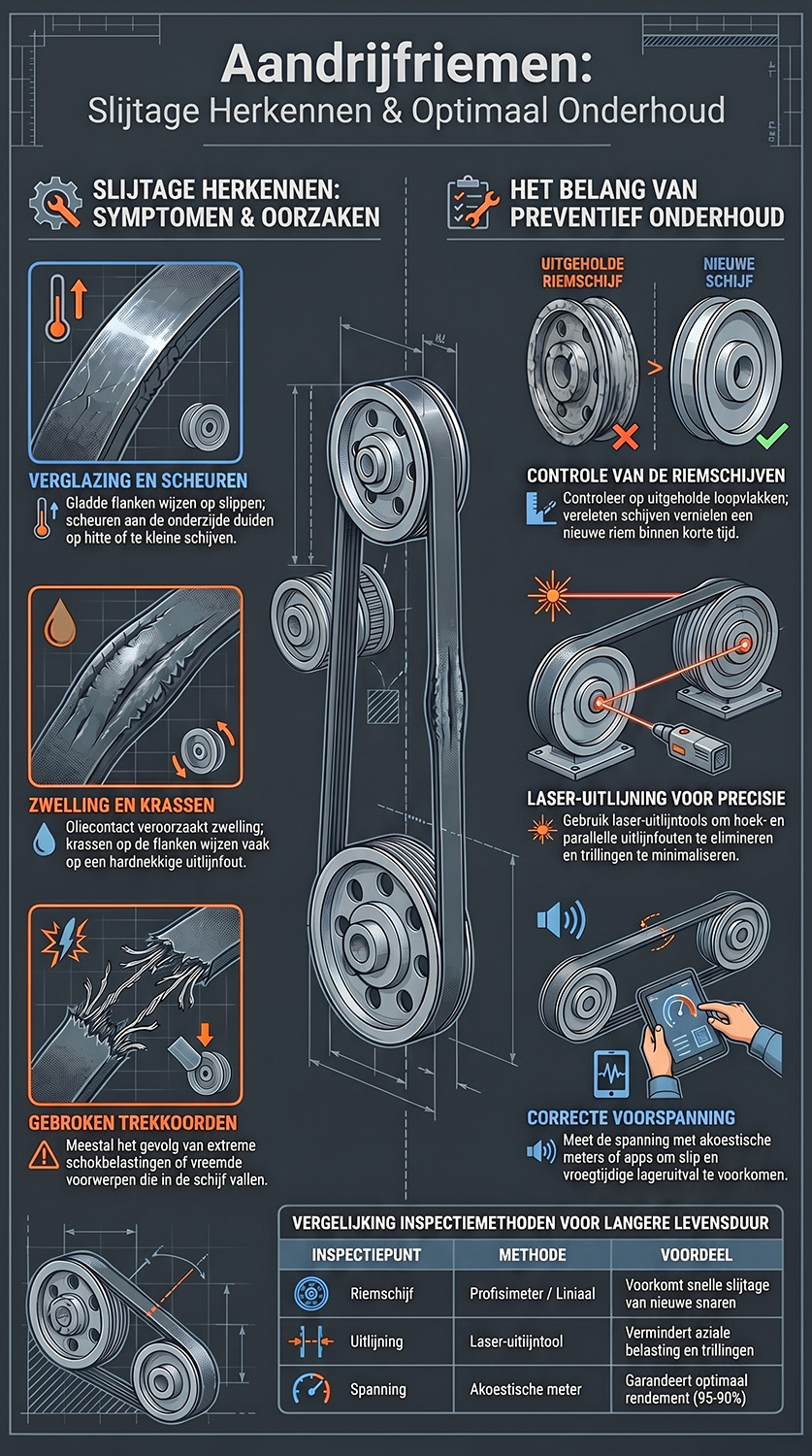
- Align them properly: A belt that runs crooked will break very quickly. Preferably use a laser to position the pulleys perfectly aligned with each other.
- Check the tension: A belt that is too loose will slip and burn; a belt that is too tight will destroy the bearings. Use a tension meter or a handy smartphone app to check this.
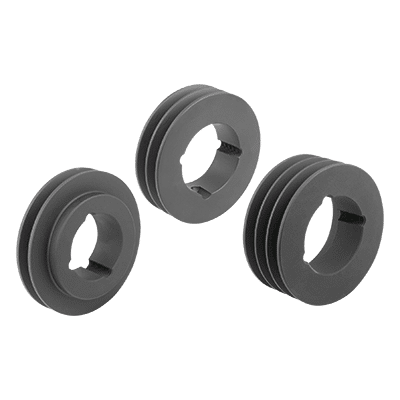
- Look at the pulleys: Putting a new belt on a worn (hollowed-out) pulley is a waste of money; the new belt will wear out much too quickly.
With the right drive belt, your machine will run reliably and quietly for years to come. Are you unsure about the correct size or type? Our expert Bob Heads Aandrijftechniek.nl can always help you with an exact calculation for your situation.