

Maintenance on the variator in your gearbox
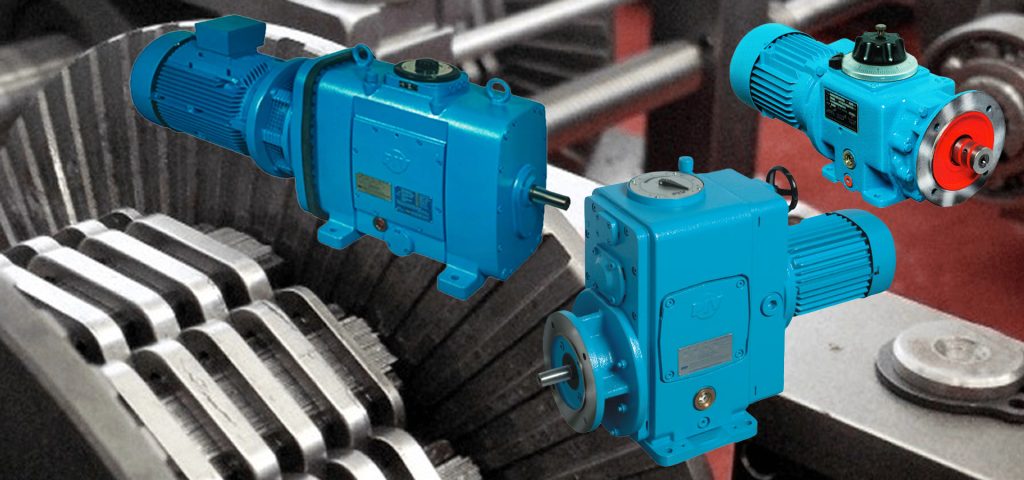
Although mechanical variators are increasingly being replaced by electric motors with frequency converters nowadays, there are still countless industrial installations where this system is essential for speed control. A variator in a gearbox is a complex interplay of variable pulleys, a specific variator belt, and gear transmissions. To ensure the reliability of your drivetrain, proactive maintenance is indispensable. In this article, we discuss the key aspects of maintaining this type of drive.
The variator belt: inspection for wear
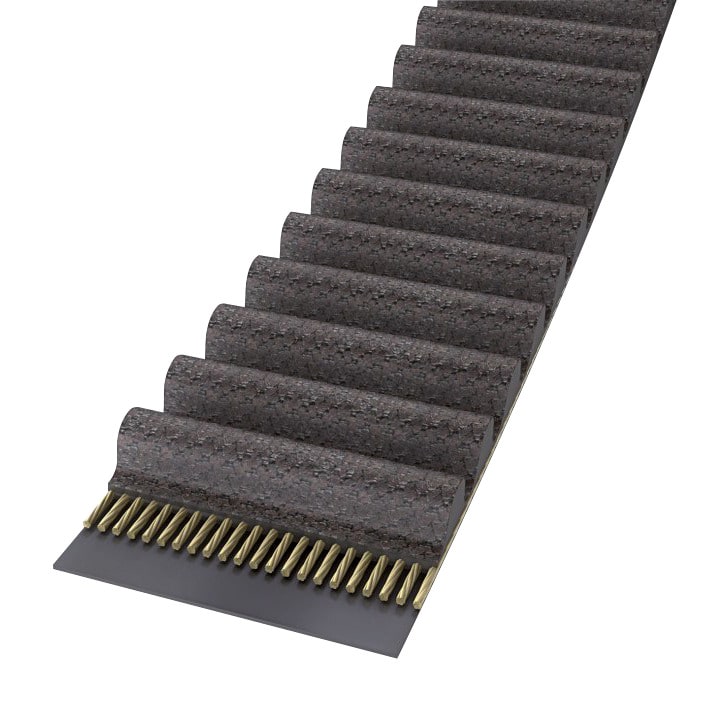
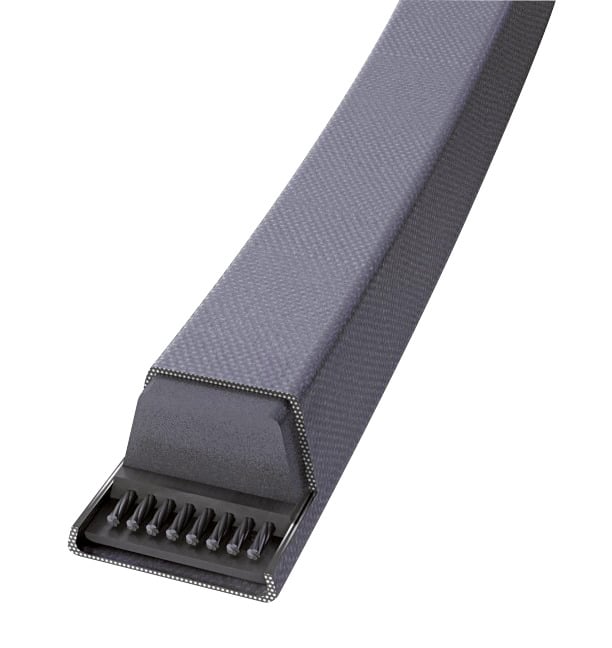
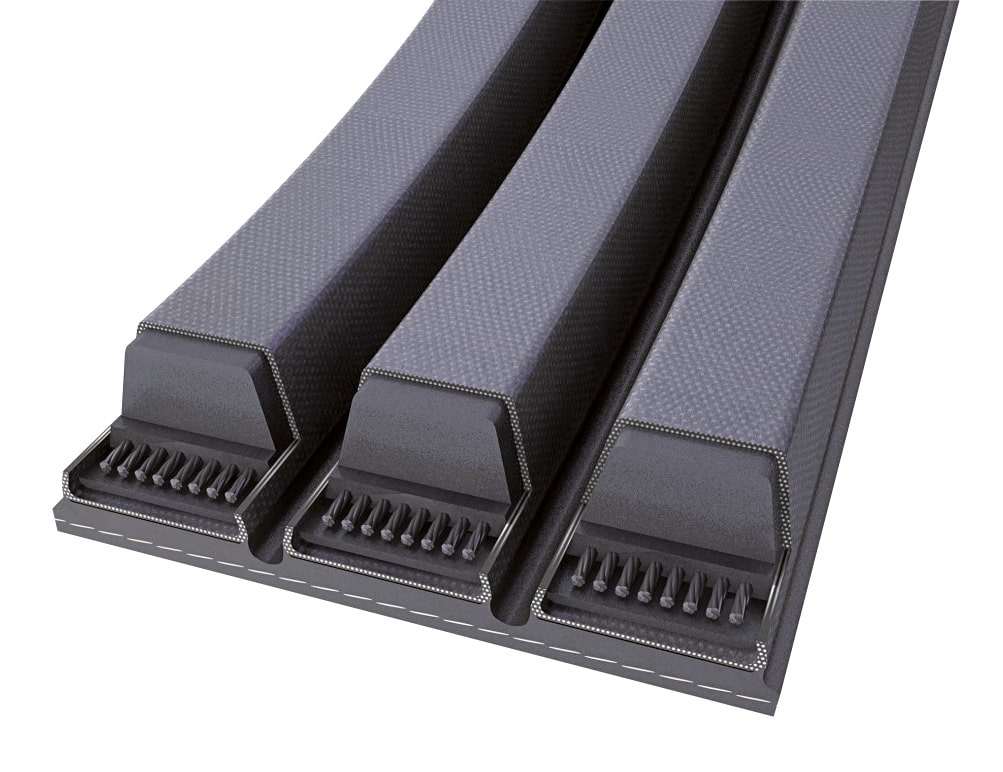
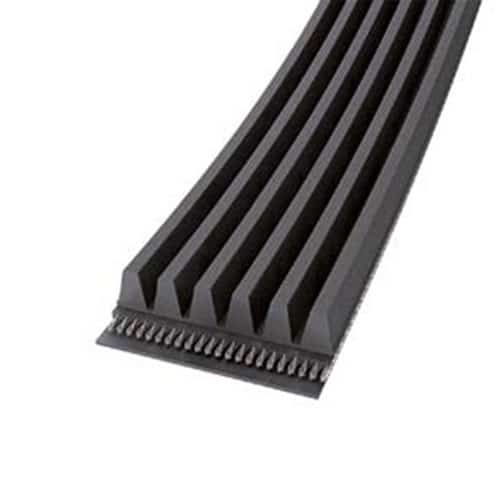
The heart of the variator is the variator belt, a wider version of the standard V-belt. Because this belt constantly changes diameter on the pulleys, the material is under high tension.
- Visual inspection: Regularly check the belt for cracks on the inside or glazing of the flanks. Glazing often indicates slipping, which leads to heat generation and power loss.
- Contamination: Ensure the belt remains free of oil, grease, and chemicals, as this affects the rubber quality and reduces grip.
Wear of the variable pulleys
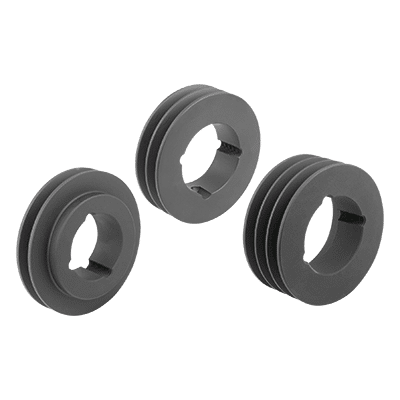
The pulleys of a variator have flanks that are adjustable in width to adapt the running diameter of the belt.
- Hollowing: Check that the running surfaces of the discs are not hollowed out. Worn pulleys cause a new string wears out unnecessarily quickly or even functions poorly.
- Alignment: Correct alignment between the pulleys is crucial; even a slight deviation can lead to premature wear and vibrations. With a laser alignment tool, you can accurately detect these errors.
Lubrication and condition of the gearbox
The variator is often directly coupled to a gearbox (reducer) to further lower the rotational speed and increase the torque.
- Oil analysis: For the gearbox, oil analysis is the “blood test” of your installation. By inspecting the oil for metal particles (spectroscopy), it is possible to determine whether internal components such as bearings or gears show signs of wear.
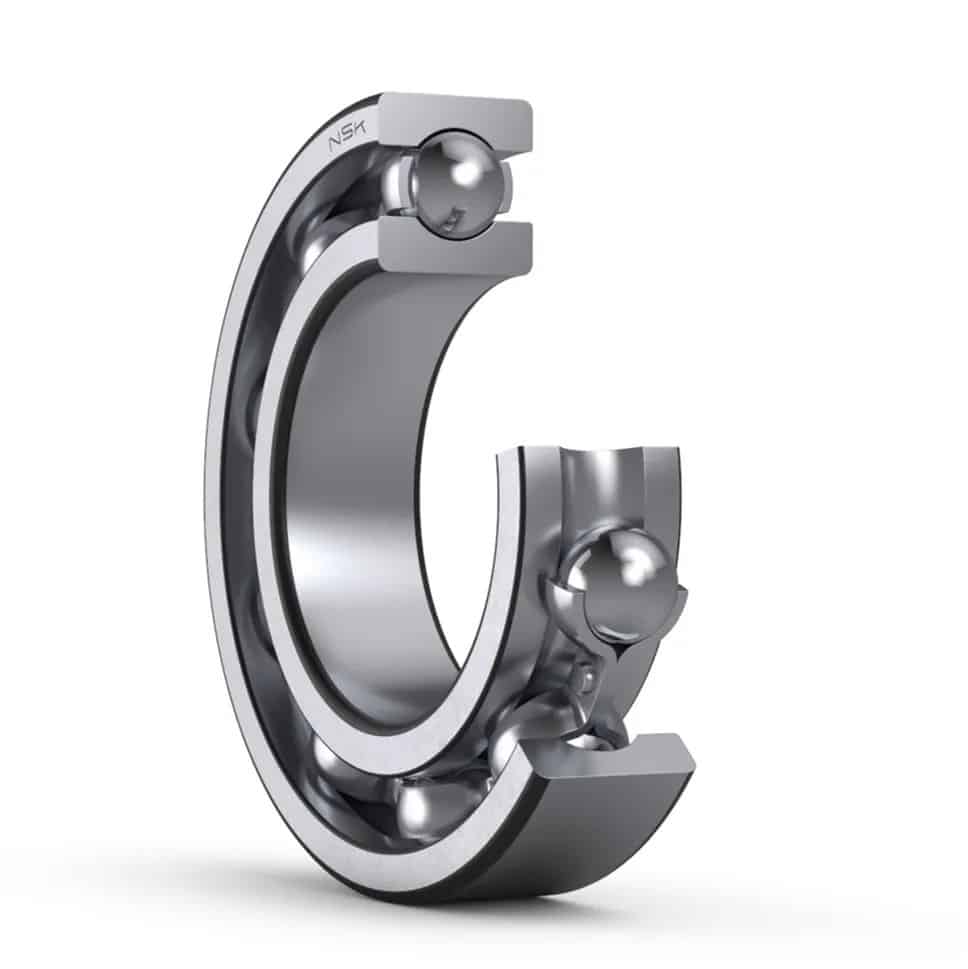
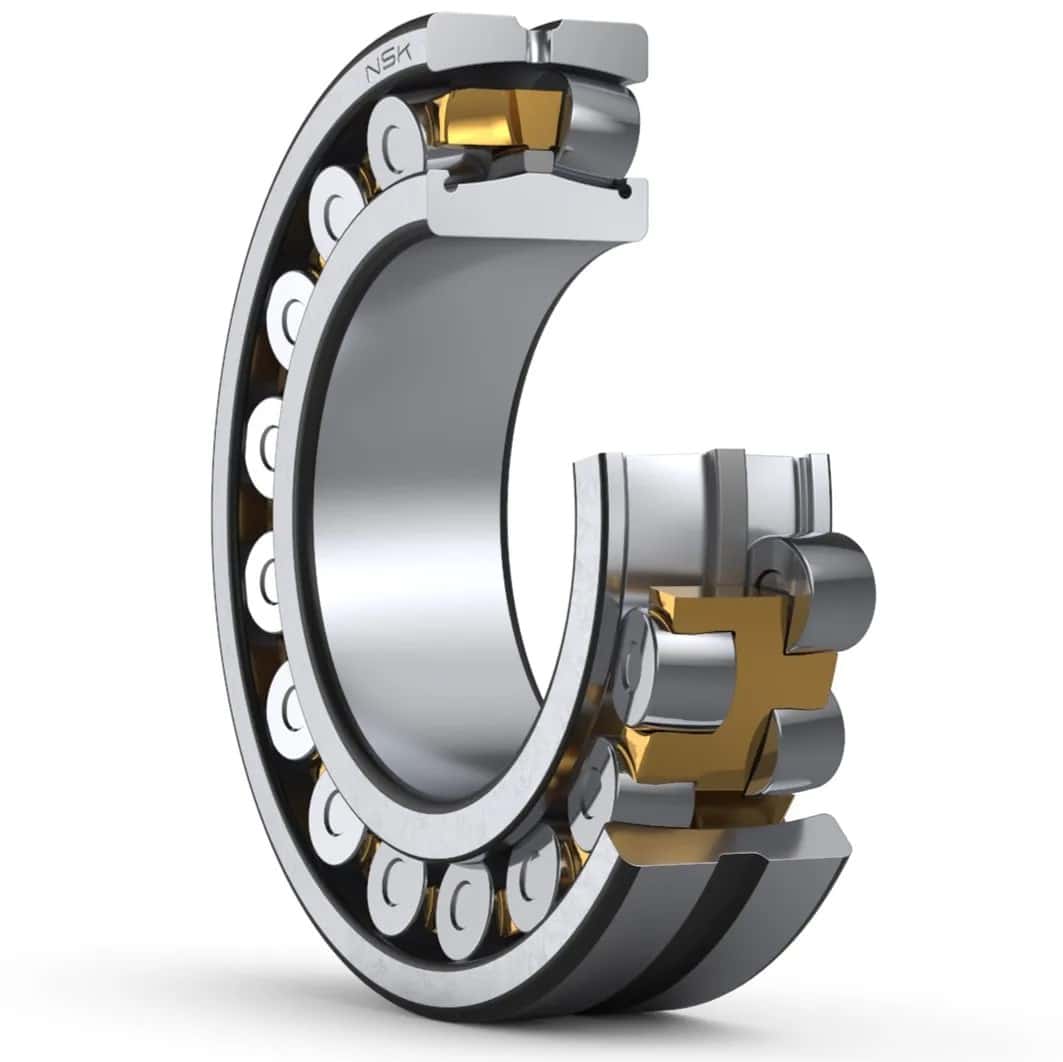
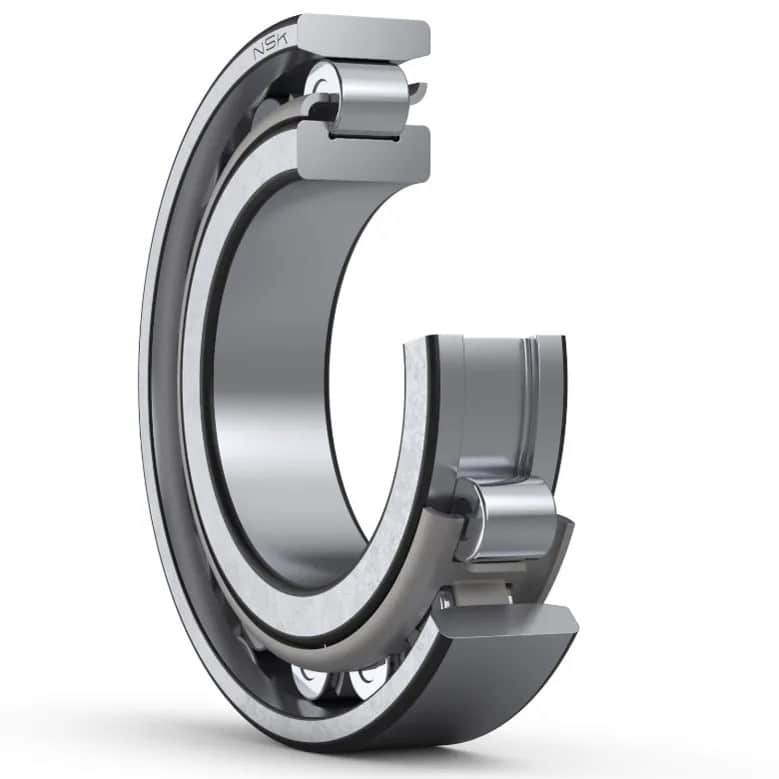
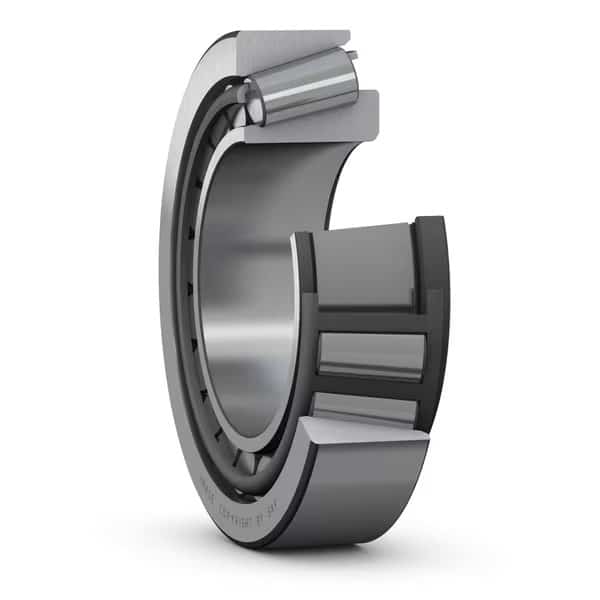
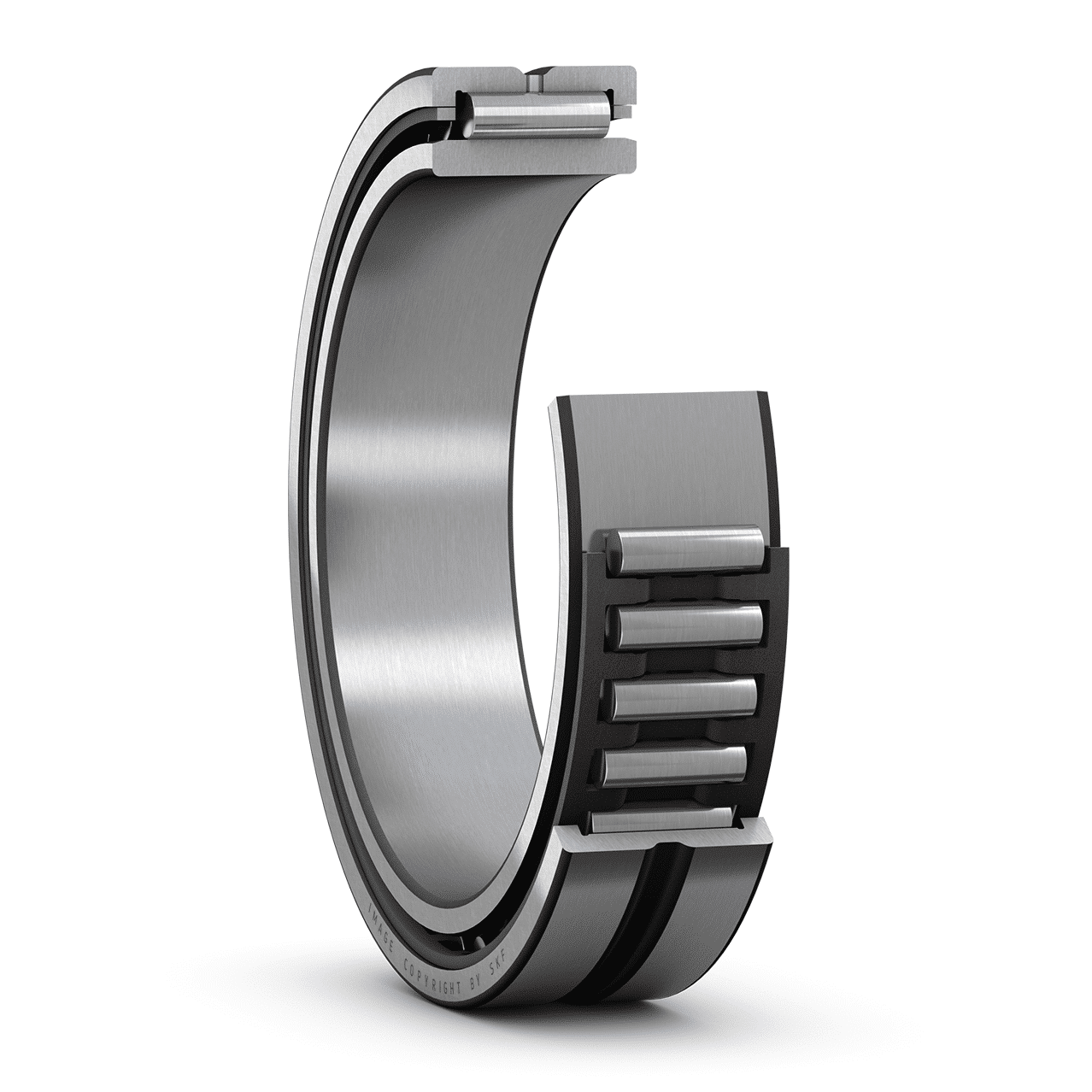
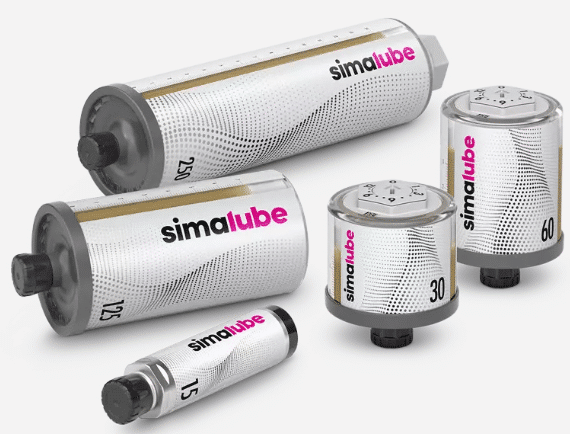
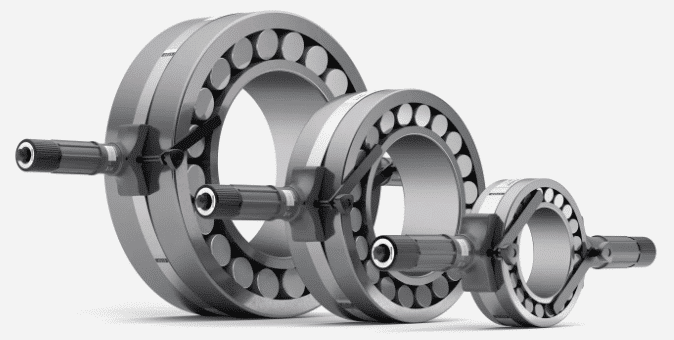
- Bearing lubrication: Approximately 80% of the bearings fail prematurely due to improper lubrication. Preferably use ultrasonic testing to determine if a bearing requires additional grease, so that you prevent over-greasing.
Recognizing symptoms of defects
During normal use, you can detect many problems early by listening and feeling carefully.
- Noise and Vibrations: Audible changes or increased vibration levels are often the first signs of bearing defects or imbalance in the pulleys.
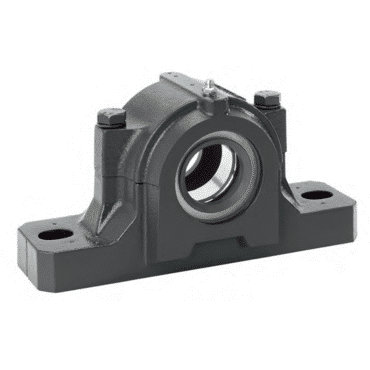
- Heat: Excessive heat at the pulleys or bearing housing often indicates overloading, slippage, or a lack of lubrication.
Modernization: the step to electric?
Because mechanical variable speed drives are prone to wear and require more maintenance than modern solutions, it may be worthwhile to consider an upgrade in the event of a major failure. An electric motor combined with a variable speed drive offers more precise control with significantly fewer mechanical wear parts.
Need help with your variator maintenance? Do you need replacement variator belts, pulleys, or bearings? At Aandrijftechniek.nl, we have a large stock of components from top brands such as Gates and SKF that we can ship immediately.


